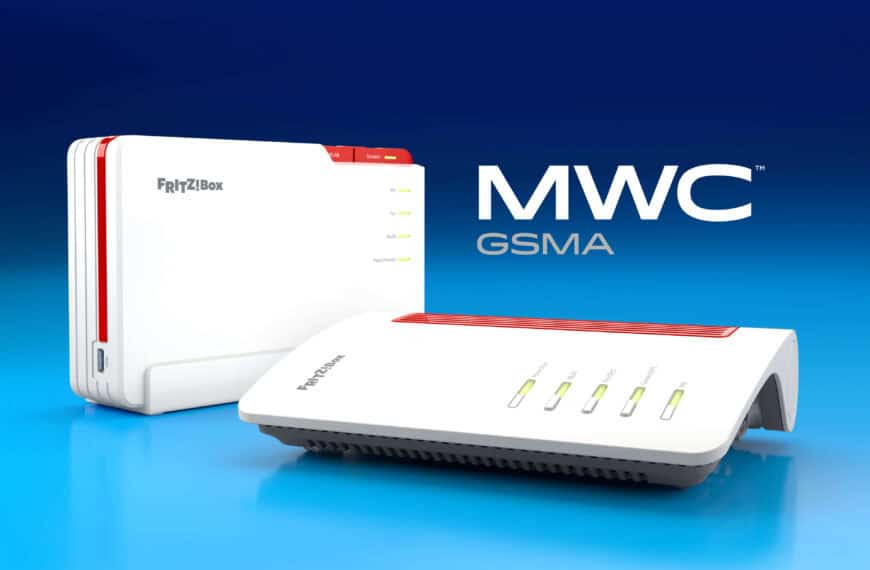
As more of our lives move online—from banking and taxes to streaming and smart home controls—the humble router has become one of the most critical devices in the modern household. A new YouGov survey underscores just how much that matters to consumers across Europe: trust in where routers are made is now a decisive factor, and European-made devices come out on top.
A clear trust gap across regions
Commissioned by FRITZ! and conducted in August 2025 among 5,209 adults in the UK, Austria, Switzerland, the Netherlands, and Italy, the study finds a striking trust gap. Only 10% of respondents said they distrust European router manufacturers. That number jumps to 48% for Chinese brands and 55% for Russian brands. The takeaway is hard to miss: for many consumers, the origin of their networking hardware isn’t a footnote—it’s a headline decision driver.
Trust is not abstract here. With routers sitting at the gateway to every connected device in the home, confidence in a manufacturer’s security practices and data stewardship directly affects whether buyers feel safe doing sensitive tasks online.
What buyers value most: security first, performance close behind
Beyond country of origin, the practical criteria also tell a consistent story. Across the surveyed markets, respondents rated security, reliability, speed, price, performance, and service as the most important factors when choosing a router—with over 90% calling these important or very important.
In other words, consumers want the full package: robust security features (such as strong firewalls and encryption), dependable uptime, fast Wi‑Fi, fair pricing, solid real‑world performance, and helpful post‑purchase support. This all-round expectation reflects how routers have evolved from “set and forget” boxes to central infrastructure for home offices, entertainment, and IoT.
FRITZ!Box leads on user advocacy
Among brands, FRITZ!Box achieved the highest Net Promoter Score (NPS) across all countries surveyed. NPS measures how likely users are to recommend a product to others, serving as a simple indicator of satisfaction, trust, and perceived value. While NPS doesn’t replace detailed technical benchmarks, it offers a useful lens on day-to-day user experience—setup, stability, feature quality, and support all tend to show up in whether people advocate for a brand.


Digital sovereignty is no longer theoretical
The timing of the survey aligns with the European Summit on Digital Sovereignty 2025 (18 November), where control over critical digital infrastructure is center stage. FRITZ! CEO Jan Oetjen connects the dots succinctly: router security is directly tied to Europe’s digital sovereignty. With growing volumes of sensitive personal data traversing home networks, compromised routers pose an outsized risk. They can be co‑opted into botnets and used to send malicious traffic that’s hard to distinguish from legitimate requests—turning household hardware into a springboard for cyberattacks.
The implication for policymakers and industry is clear: just as Europe scrutinized suppliers in the 5G rollout, there’s momentum to ensure that residential networking equipment is secure, trustworthy, and, crucially, governed under European legal and regulatory frameworks.
What this means for you
For households and small businesses:
- Prioritize security features. Look for strong default encryption, frequent firmware updates, and a proven security track record.
- Consider brand transparency and support. Clear privacy policies, timely patches, and responsive customer service are as important as headline speeds.
- Balance performance and reliability. High throughput means little without stable connections and robust coverage.
For ISPs and channel partners:
- Expect growing demand for European-made, security-forward hardware—both for premium and standard tiers.
- Service differentiation will increasingly hinge on perceived trust and update cadence, not just speed tiers.
For policymakers and IT decision-makers:
- The consumer mandate for security and sovereignty is strong. Procurement, certification, and standards initiatives that emphasize transparent supply chains and rigorous security baselines will likely see broad public support.
The bottom line
Routers have become guardians of the modern digital home, and European consumers clearly want guardians they can trust. The YouGov findings show a decisive tilt toward European-made routers, backed by users who prioritize security, reliability, and service as much as raw performance. With FRITZ!Box leading on recommendation intent and digital sovereignty moving from policy papers to purchase decisions, we’re witnessing a shift: the router is no longer a commodity box—it’s a strategic choice about how we protect our data and our digital way of life.
As you consider your next upgrade, weigh not just the specs on the side of the box but the security posture, update history, and the jurisdictional safeguards behind the brand. In 2025, trust isn’t a nice-to-have—it’s the feature.