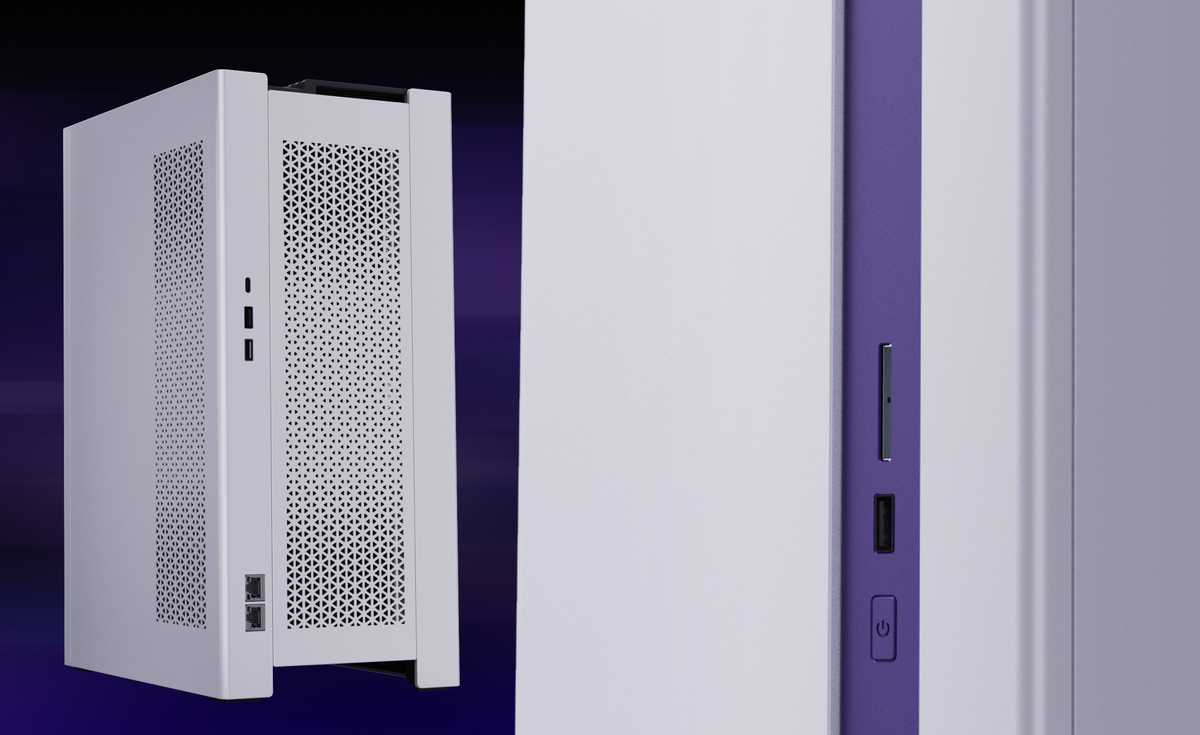
The need for AI processing near data is growing. This is because of privacy, speed, and cost. AI NAS helps with this change. This important NAS tech brings strong local AI. AI NAS gives computing power on-site. It offers fast data access. It also has safe storage. This special NAS runs AI models where data starts. It does not need the cloud. The Nexus AI Station helps with these problems. It lets businesses use AI locally. This strong NAS gives full data control. It also performs very well. This special NAS solution changes how businesses use AI.
Key Takeaways
Nexus AI NAS puts powerful AI in your home or office. It keeps your information private and safe.
This special computer does AI jobs very fast. It makes choices quickly. It does not need the internet.
Using Nexus AI NAS saves you money. You won’t need costly cloud AI services.
This system works even without the internet. It is dependable for key tasks. It is good for faraway places.
Nexus AI NAS helps many companies. They use AI for smart cameras. They also use it to guess machine issues.
Understanding AI NAS: Beyond Basic Storage
What is AI NAS:
AI NAS is a big step up. It is different from old network storage. Old NAS just stores files. It also shares them. An ai nas system is special. It has hardware and software. These are for local ai work. This special nas is a strong computer. It is in your own space. It does hard ai tasks. It works where data starts. This is more than just storing data. It makes the nas active. It helps with ai training. It helps with inference. It also helps with data analysis. This change meets a need. It is for fast ai processing. It is also for safe and good ai processing.
Core AI NAS Hardware and Software:
A good ai nas needs special parts. It needs special programs. These handle hard ai jobs. For parts, strong processors are key. The Nexus AI Station has an AMD Ryzen 7 PRO. It also uses NVIDIA GeForce RTX cards. These make ai work faster. Fast internet is important. It moves data quickly. The Nexus AI Station has two 10GbE ports. Lots of memory helps. It holds big data sets. It holds complex models. It has up to 96GB of ECC memory. Fast storage is also vital. The Nexus AI Station has up to 192TB. It uses HDD/SSD options.
Component | High-Performance Recommendation |
|---|---|
CPU | Intel Xeon W (up to 18 cores/36 threads) or AMD Threadripper Pro (up to 32 cores/64 threads) |
GPU | NVIDIA GeForce RTX 3080 or NVIDIA Tesla V100 (with emphasis on floating-point performance) |
RAM | Minimum 16GB for standard AI, 32GB or more for demanding workloads (at least twice the GPU’s VRAM) |
For software, the Nexus AI Station uses Harbor OS. This is open-source. This system helps with ai development. It uses containers. Users can add ai tools easily. These include TensorFlow and PyTorch. The system also has an ai suite. It works with many data types. It handles text, pictures, sound, and video. A voice console helps. You can talk or type commands. It gets info or starts tasks. These parts and programs together make the Nexus AI Station smart. It is a full platform. It is for local ai work. It offers good data management solutions. These are for many uses.
Benefits of Local AI with Nexus AI NAS
Enhanced Data Privacy and Security:
Local AI with Nexus AI NAS helps keep data private. It also makes it safe. Businesses keep their private info. It stays on their own systems. They do not send data to the cloud. This means they own their data. It protects data from hacks. It stops others from seeing it. Local AI NAS works offline. This makes data more secure. These units have LLM built-in. They work without internet. They can search text. They can see pictures. They can turn voice to text. They can answer document questions. This helps with AI. It keeps data private. It does not need cloud services. The Nexus AI Station is safe. It handles private AI work.
Ultra-Low Latency and Real-time Processing:
AI models run fast on Nexus AI Station. This makes things quicker. Data does not go to the cloud. It does not come back. AI apps respond right away. This is key for live tasks. Think of smart cameras. Or factory robots. Nexus AI Station has fast ports. It has quick storage. This means data moves fast. It helps with AI thinking. It makes decisions quickly. This speed is very important. It matters when every second counts.
Cost-Effectiveness and Operational Efficiency:
Using local AI with Nexus AI NAS saves money. It cuts cloud AI fees. Mixing local and cloud AI helps. It controls costs better. Local NAS acts as an AI hub. It costs less. It uses less cloud. AI teams save money. They still get fast data.
Nexus AI NAS also makes work better. It helps with all AI steps.
It gathers data safely. It stores it well. This is key for AI.
It cleans data. It changes data. This is for training models. Better storage helps here.
It gives special storage. It is fast. This is for training models.
It puts AI models into apps. It handles more storage.
It uses trained models. This is for live results. It needs good data work. It needs great storage.
It stores new AI data. This helps AI get better.
It cleans data. It sorts data. It makes data better. This helps models work well.
The Nexus AI Station can grow big. It holds tons of data.
It has good backup. It has RAID. This stops data loss. It keeps data safe.
Fast internet helps. It moves big data quicker. It makes things faster.
It supports Docker. This helps move containers.
Data cleaning tools find bad data. They remove it. This makes data better.
Snapshot tech helps. Developers can go back to old data. This stops loss when cleaning.
Special settings stop changes. They keep data safe. This helps businesses grow a lot.
Offline Capability and Reliability:
The Nexus AI Station works offline. AI keeps running. It works even without internet. Edge AI devices keep working. They make smart choices. This happens even if internet is bad. Or if it is gone. This means it always works. It works in far places. It works when internet is down. Systems work better. They keep going during short outages. This means good quality always. Production keeps going. Edge AI devices work alone. They do not need constant internet. This makes them good for remote spots. They are good when internet breaks. This is a big plus for AI. It keeps important things running. The Nexus AI Station is a strong AI NAS. It meets this need. It works without stopping.
Trends Driving AI NAS Adoption
Edge AI Proliferation:
Edge AI is growing fast. This is a main trend. Many fields use Edge AI. These include health and cars. Smart cities use it too. Electronics and energy also use it. Transport, government, IT, farming, and money use it a lot.
Many IoT devices cause this growth. Billions of devices make data now. These devices need local work. They need quick answers. Self-driving cars need fast replies. Robots and AR/VR need speed.
Cloud delays are too slow. Data privacy worries also push local work. This keeps private data safe. Smarter systems use AI nearby. It helps fix things early. It watches areas. It helps traffic flow. This is in smart cities and factories. Fast and safe actions are needed. This drives AI at the edge. These trends show a need. It is for local AI like ai nas.
Hybrid AI Architectures:
Hybrid AI is another big trend. It mixes local and cloud tools. This gives control and growth. Companies keep private data local.
They use cloud AI for big tasks. This saves money and works well. Hybrid cloud is a must for many.
This is true for machine learning. It uses both cloud and local tools. Local nas works with cloud backups.
This makes backup easy. It covers many data spots. These include servers and virtual machines. It covers local nas and public cloud. It also covers SaaS apps.
This keeps backups safe and ready. Hybrid AI uses tools well. It offers flexible resources. Cloud platforms give power. They give storage and network.
This makes things work best. It avoids too much or too little. This way offers big growth. Demand for these systems is strong.
Democratization of AI:
AI is easier to get. This is a big trend. More businesses can use AI. More people can too. AI nas helps a lot. It brings strong AI to your place. This means less need for cloud. Smaller groups can build AI. They can use AI models. This helps new ideas grow. It makes AI for more people. This makes AI use grow more.
Data Governance and Compliance Focus:
Data rules are key trends. Companies face problems here. AI systems use many kinds of data. This needs good ways to check data. It needs to be safe and private. AI systems are often like ‘black boxes.’ It is hard to know how they decide.
AI data rules must show how they work. Data grows fast. It needs quick handling. AI laws change all the time. This needs constant checking. AI needs to manage much data. This adds problems.
Data spread out makes it hard to see all. Bad data makes people not trust. Not clear info leads to mistakes. Not enough access makes data unsafe. Old ways often do not work. These trends show a need. It is for safe, local ai nas. The future for ai nas is good. This is because of these things.
Implementing Nexus AI NAS for Local AI
Key Use Cases and Applications:
Nexus AI Station helps with many local AI uses. It helps businesses. Smart cameras are one use. This application watches videos. It finds events or things.
Application Category | Specific Functionality | Ideal Use Cases |
|---|---|---|
Vehicle Recognition | Records entries. Records exits. Supports Make, Model, Color. Detects bad plates. | Parking lots, communities, toll stations, road monitoring |
Behavior Recognition | Finds problems. Finds falls. | Factories, public areas |
Facial Recognition | Checks attendance. Controls access. Checks identity. Controls traffic. | Office buildings, factories |
Shelf Clearing Recognition | Finds empty shelves. Finds left items. | Retail (inventory management), public spaces (airports, malls for unattended items) |
Health & Safety | Checks safety gear. Finds bad parking. | Workplaces (safety), parking lots, logistics centers |
Occupancy Recognition | Checks how full places are. Counts people. | Malls, event venues, retail, public facilities |
Customer Gender and Age Detection | Finds customer age and gender. | Business intelligence, marketing |
Sales Heatmap | Shows popular areas. Shows traffic. | Retail, business optimization |
Door Access Control | Uses faces to open doors. Takes clock-in pictures. Has VIP lists. | HR management, security |
Store Traffic Analyzing and Real-time People Counting | Counts store traffic. Finds popular spots. Shows busy times. | Small/medium businesses, restaurants, retail/department stores |
People detection: It warns of new people.
Motion detection: It tells you when someone moves. For example, at a door.
Intrusion detection: It warns of break-ins. This is for places like yards.
Sound detection and two-way audio: It records when it hears sound. You can talk to visitors. You can hear a child.
Vehicle detection: It checks for wrong cars. This is for a driveway.
Camera occlusion and tampering: It warns if cameras are off. It warns if they are blocked.
Factory upkeep uses AI. It predicts when machines will break. This stops costly stops. Medical image analysis uses AI. It helps doctors find sickness early. Store analysis helps shops. It shows how customers act. It makes stores better. Computer vision research uses local power. It helps try things faster. Putting AI agents to work is easier. This is for automatic tasks.
Local AI NAS is good for LLM. It is good for training. It keeps private data safe. It stays in your control. This stops bad access. It stops data leaks. This helps strict fields. Like health and money. Local work means no internet needed. This makes tasks faster. Tasks include asking databases. It includes making reports. It includes sorting data. This makes things work well. Local use allows custom AI models. These models manage work. They use resources well. Natural language makes system easy. You give simple orders. Like sharing folders. Or backing up files. This makes menus easier. Repeated tasks can be automatic. Like user setup. Like checking the system. Like organizing data. This frees IT staff. The easy system helps more users. Local AI systems check how you use them. They make things better. They find problems. They suggest fixes.
LLMs and generative AI need much data. This is for training. This is for storing results. This data is often mixed. It comes from many places. Like databases. Like documents. Like pictures. Like sounds. Like videos. Like code. Businesses link LLMs to their data. They do this directly. Or they use RAG. This makes results better. More data means better LLM training.
Choosing the Right Nexus AI Station:
Picking the right Nexus AI Station needs thought. Match its features to your AI work. Check hardware first. The CPU is for general tasks. The NPU is for AI/ML. The GPU is for parallel work. It is for graphics.
Key Feature | CPU (Central Processing Unit) | NPU (Neural Processing Unit) | GPU (Graphics Processing Unit) |
|---|---|---|---|
Core Functionality | Good for general tasks. Good for OS. | Made for AI/ML. Good for neural networks. Good for inference. | For parallel work. For graphics. For fast tasks. |
Core Design | Few cores. For single tasks. For many tasks. | Many small cores. For deep learning math. | Many cores. For big parallel tasks. |
Performance Strength | Good for many tasks. Not great for many parallel tasks. | Great for AI inference. Great for training. Fast and good. | Great for graphics. Great for video. Great for AI training. |
Primary Applications | Daily computer use. Spreadsheets. Application management. OS tasks. | AI tasks. Like language. Like voice. Like image analysis. | High-demand graphics. Parallel tasks. Like games. Like video editing. Like science. |
Power Efficiency | Uses more power for some tasks. Good for normal tasks. | Uses little power for AI. Good for small devices. Good for edge. Good for data centers. | Uses medium power for hard parallel tasks. |
Overall Summary | General processor. Good for many things. Not special for parallel tasks. | AI processor. Good for deep learning. Good for neural networks. | Parallel processor. For graphics. For hard tasks. |
RAM is key for big data. It is key for fast work. For light use, 8–16 GB RAM is fine. For bigger models, 32–64 GB RAM is better. Storage must be fast. It must be reliable. Hard drives are key for local AI NAS. New data grows fast. SSDs are faster. But they have less space. HDDs are still very important. New HDD tech helps AI. It has smart caching. It has multi-drive work in RAID. It has AI-driven storage. It uses smart SSDs. This makes HDDs better for AI.
Networking is also key. Many motherboards have 10Gb Ethernet. This allows fast network storage. You do not need extra parts. For rackmounts, faster networks exist. They use special cables. This makes software storage better.
Think about the software. Harbor OS is open-source. You can change it. The local AI suite handles many data types. Check how it grows. The system should grow with you. Look at how it connects. It should work with your systems.
Best Practices for Deployment and Management:
Good setup makes your Nexus AI Station work best. It keeps your data safe.
Set up Security: Make clear security rules. Control who can access. Manage identities. Make sure data is safe. Check systems often. Have plans for AI problems.
Watch and Update: Check AI systems often for risks. Update them often. Do regular checks. This finds threats early.
Train Employees: Teach staff about data safety. Teach them about AI rules. Use regular classes. This keeps them updated. It shows how to stop threats.
Work Together: Work with schools. Work with research places. These focus on AI safety. Also, work with rule-makers. This helps get ideas. It helps follow rules. It helps make policies.
Hardware is key. Make sure you have enough memory. For example, 16GB RAM for small models. Over 32GB for big models. Make sure you have enough power. Keep data local. Use fast storage. A stable internet is only for updates. Not for local private data. Check your network. Make sure it meets rules. Do this before using local AI tools. Keeping data in-house lowers risk. It stops outside breaches. It protects data. This is true for patient records. Local data processing means private data. It avoids public clouds. It avoids outside sellers. This lowers exposure. It stops unwanted leaks. This also helps meet rules. Like HIPAA and GDPR. They secure data on-site. Only authorized people can see it. This lowers legal risks.
Growing your AI NAS is key. It is for future expansion. Fast memory is critical. Fast storage is critical. Memory is for big data. It is for fast work. Storage must be fast. It must be reliable. Choose based on data type.
Better Growth: As AI demand grows. Your system must grow easily. It should not stop working. Use parts that are easy to upgrade. Choose systems that handle huge data.
Save Money: Balance speed with cost. Choose big storage systems. They combine data. This lowers hardware costs. It lowers running costs. Modular systems stop costly overhauls.
Fix Problems: Growing AI systems is hard. It means linking compute. It means linking storage. It means linking networks. It means managing costs. Get speed without overspending. Handle AI data well. Old systems struggle.
Here are steps for growing:
Check Needs: Know your data needs. Know your speed needs. Find your workloads. Find data size.
Choose Systems That Grow: Pick flexible tech. These grow with AI needs. They stay reliable.
Make Workflows Better: Use tools like MLOps. Use data pipelines. This makes things smooth.
Boost Compute: Balance GPUs and CPUs. This makes AI training good. It makes inference good.
Watch and Change: Check speed often. Find slow spots. Make things better.
Plan for Future: Include new things. Like edge computing. Like hybrid cloud. This makes your system last.
Design for growth. AI projects need storage. It must grow fast. It must have no limits. This handles big data. Old NAS may be slow. So, AI storage is needed. These are for AI training. They feed powerful computers. Use storage tiers. This saves money. It makes things available. It makes things fast. It helps recovery. Good tiers balance money. It puts expensive storage for ‘hot’ data. It uses cheaper options for other data. This meets rules. It keeps data. It does not hurt speed. These steps make your Nexus AI Station good. It gives continuous growth opportunities. It gives powerful local AI capabilities.
The Nexus AI Station changes local AI. This strong AI NAS is safe and fast. It keeps your data private. You control all your data. It works very well. It is fast. Data moves quickly. This NAS also saves money. It works even offline. The Nexus AI Station helps many people. Researchers, developers, and artists can use AI. It works right where you are. It meets the need for local AI. This new NAS helps businesses.
Look at the Nexus AI Station. It can help you do more.
FAQ
What makes Nexus AI Station different from a regular NAS?
Nexus AI Station has special parts. It has GPUs. It has NPUs. It also has software. This is for local ai work. It can process data. It can run models directly. A regular NAS just stores files. It also shares them.
Can Nexus AI Station operate without an internet connection?
Yes, Nexus AI Station works offline. It processes data. It runs models locally. This means it always works. It works even without internet. It is good for far places. It is good when internet is bad.
Is Nexus AI Station suitable for small businesses?
Yes, Nexus AI Station helps small businesses. It saves money. It uses less cloud. It keeps data private. It processes things fast. This makes advanced tools easy to use. It helps with many business needs.
How does Nexus AI Station protect data privacy?
Nexus AI Station keeps all data. It stays on your property. It does not send private info to the cloud. This means you own your data. It stops outside hacks. It helps follow rules. Rules like HIPAA. Rules like GDPR.