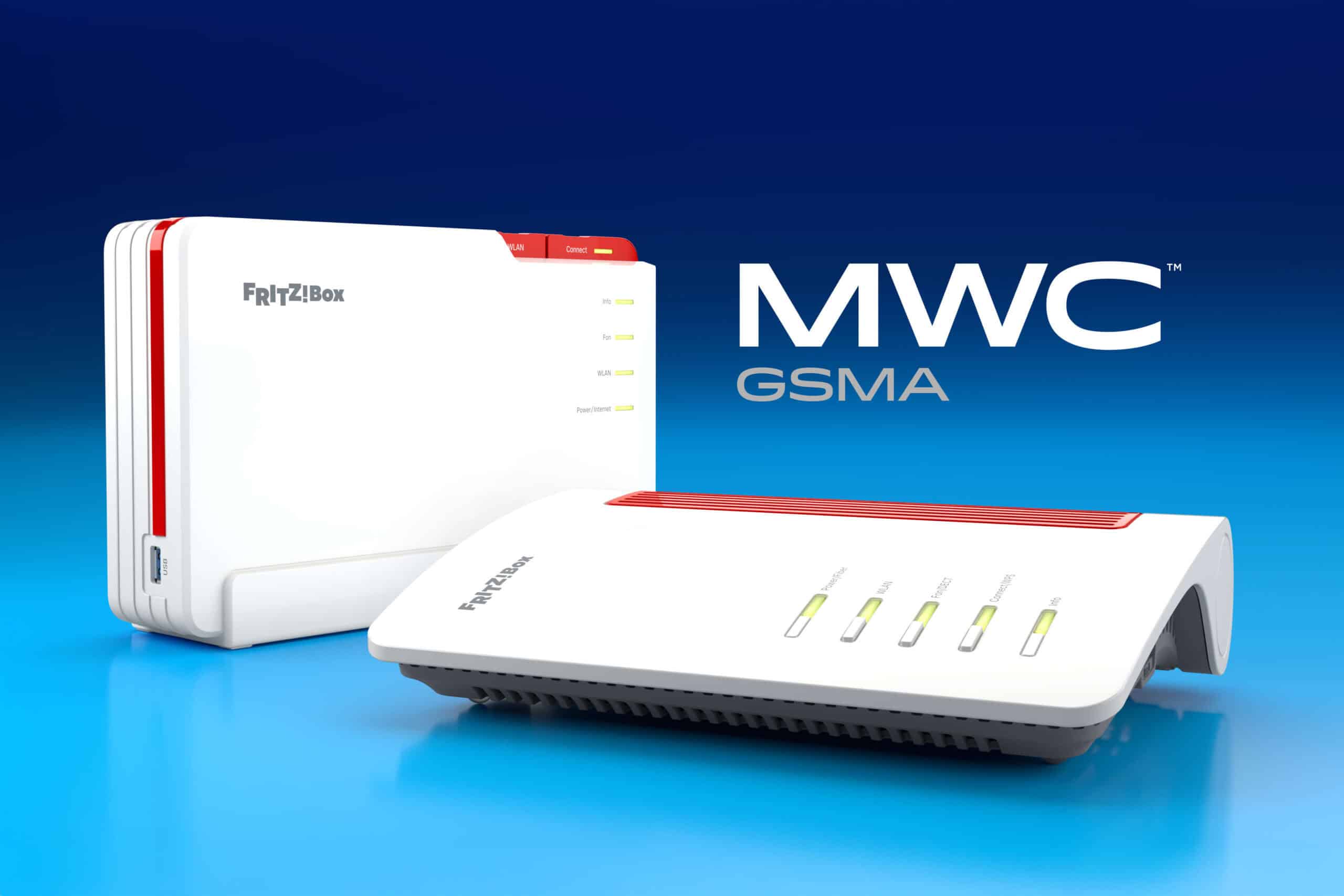
If home networking has ever felt like a delicate balancing act—between speed, coverage, reliability, and sustainability—FRITZ! just tipped the scales in your favor. At MWC26 in Barcelona, the European networking specialist is rolling out an expanded Wi‑Fi 7 portfolio, powerful new FWA routers for 5G and 4G, and a forward look at Wi‑Fi 8. The headline: multi‑gigabit performance, smarter resilience, and greener engineering are converging for the modern connected home.
Wi‑Fi 7 goes mainstream—faster lanes, fewer slowdowns
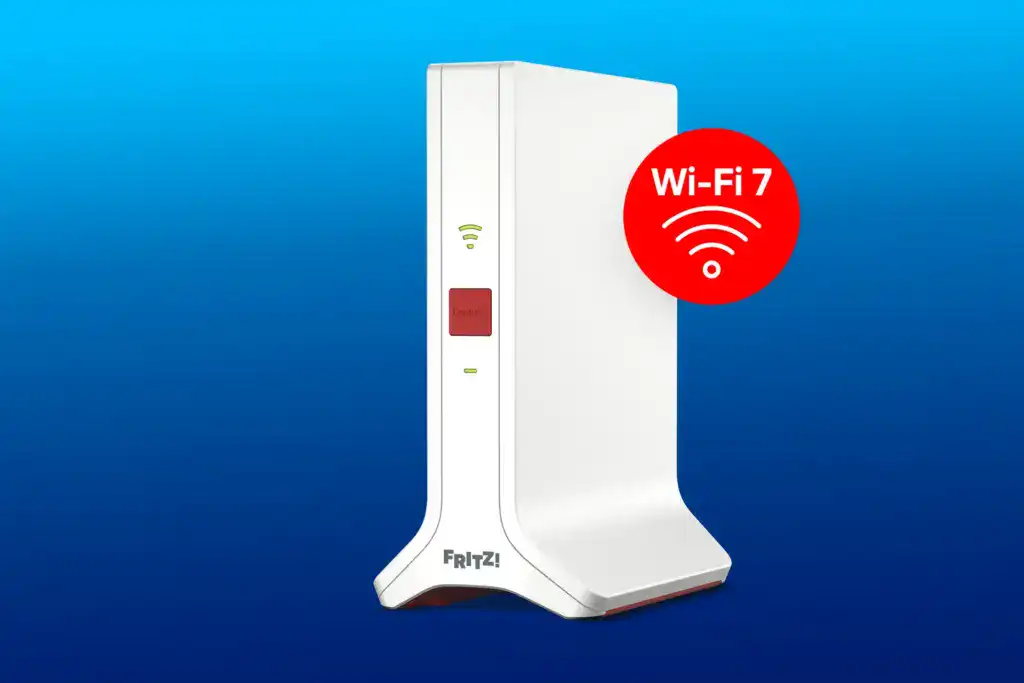
FRITZ! is doubling down on Wi‑Fi 7 with new gear built to push multi‑gigabit throughput across real homes, not just lab benches. The standout is the FRITZ!Repeater 6700 Pro, a quad‑band mesh extender that spans 6 GHz, dual 5 GHz radios, and 2.4 GHz—unlocking a combined data rate up to 18 Gbit/s. Translation: more parallel high‑bandwidth streams (think 8K streaming, VR, cloud gaming, and large backups) without trampling each other. With both 10G and 2.5G Ethernet on the back, it’s equally at home hard‑wiring a NAS or gaming PC.
For legacy devices that need a quick uplift, the FRITZ!WLAN Stick 6700 brings tri‑band Wi‑Fi 7 (up to 2.8 Gbit/s) to Windows laptops and desktops. Setup is simple, and it supports the 6 GHz band for cleaner, lower‑latency links where your router supports it.
5G and 4G FWA: fiber‑like speeds where fiber can’t go
No fiber on your street? FRITZ! wants you online at fiber‑class speeds anyway. The new FRITZ!Box 6835 5G combines 5G (downlink up to 2 Gbit/s) with Wi‑Fi 7, supports both eSIM and nano‑SIM, and runs on USB‑C power—even from a power bank. It’s built for stationary or mobile use: pop it in a cabin, a temporary office, or any home underserved by wireline broadband. Dual LAN (2.5G + 1G) ensures your fastest devices get a clean, multi‑gigabit path.
There’s also the pocketable FRITZ!Box 6825 4G. With Wi‑Fi 6 and broad international LTE band support, it’s a reliable travel and backup router powered via USB‑C, ideal for everyday browsing and streaming where 5G isn’t available.
Both FWA boxes plug into FRITZ! Failsafe, so they can automatically take over if your primary connection drops—no manual fiddling in the middle of a video call.
Fiber, the European way: XGS‑PON to AON covered
For households already on fiber—or planning the switch—FRITZ! is showcasing two compact fiber routers that match Europe’s diverse standards:
- FRITZ!Box 5630 XGS: Direct XGS‑PON up to 10 Gbit/s, with Wi‑Fi 7 up to 3.5 Gbit/s, one 10G WAN/LAN, and three 1G LAN ports.
- FRITZ!Box 5630: GPON up to 2.5 Gbit/s or AON up to 1 Gbit/s, with Wi‑Fi 7 up to 3.5 Gbit/s, one 2.5G WAN/LAN, and three 1G LAN ports.
Both models fold in FRITZ!OS niceties like VPN, smart home over DECT ULE, telephony, parental controls, and FRITZ!Apps for setup and monitoring—so your fiber upgrade doesn’t mean juggling multiple boxes.
Smarter stability: automatic failover and ISP‑grade Wi‑Fi management
Reliability is increasingly non‑negotiable. FRITZ! Failsafe is getting a meaningful boost in FRITZ!OS 8.20, with two practical options:
- Pair a second FRITZ!Box with mobile internet (e.g., FRITZ!Box 6860 5G) as an automatic backup to your main FRITZ!Box. If fiber/DSL/cable fails, mobile steps in seamlessly.
- Run a mobile FRITZ!Box (like the 6850 5G or 6835 5G) behind your fiber ONT so it can auto‑replace a disrupted fiber link without re‑plumbing your network.
On the service side, FRITZ! is demoing USP/TR‑369‑based Wi‑Fi management via MyFRITZ!Net. That means internet providers can remotely help optimize in‑home Wi‑Fi—channel planning, band steering, mesh tuning—to fix the Wi‑Fi, not just the WAN. Happier customers, fewer truck rolls.
What’s next: a practical look at Wi‑Fi 8
Wi‑Fi 8 (IEEE 802.11bn), expected within the next two years, targets exactly where home Wi‑Fi still struggles: performance at the edges of coverage, latency under load, and coordination between access points and mobile devices. Expect faster response times, sturdier links, and better energy efficiency—especially for IoT and battery‑powered gadgets. FRITZ! says its next major FRITZ!OS will pave the way, with experts at the stand breaking down how these gains will show up in real homes.
Built in Europe, built to last
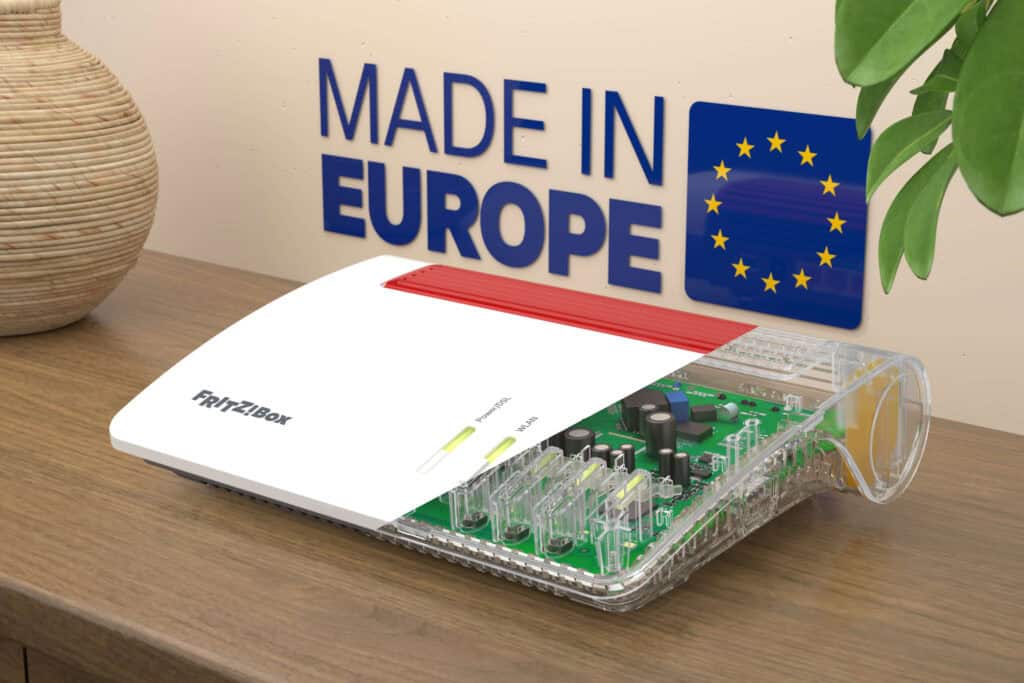
Beyond speeds and feeds, FRITZ! is leaning into its European footprint. Hardware and software are developed in Berlin, manufacturing is in Europe, and the company holds an EcoVadis Silver medal—placing it in the top 15% of rated companies (and top 5% in hardware/telecom) on ESG performance. That translates to regular free updates, tight security, and an emphasis on longevity—good for your network and the planet.
Bottom line for home networking enthusiasts
- Want multi‑gig mesh without compromises? The FRITZ!Repeater 6700 Pro plus a Wi‑Fi 7 FRITZ!Box is a compelling backbone for dense, demanding homes.
- No fiber? The FRITZ!Box 6835 5G delivers fiber‑like speeds over 5G, with the flexibility to run from a power bank and act as an automatic backup.
- On fiber? The 5630 XGS/5630 cover the full spread of European standards with Wi‑Fi 7, multi‑gig ports, and FRITZ!OS features you’ll actually use.
- Prefer resilience over roulette? FRITZ!OS 8.20’s Failsafe options aim to make outages forgettable.
FRITZ!’s MWC26 lineup doesn’t chase specs for their own sake—it threads them into practical home setups that are faster, more resilient, and more sustainable. If you’re planning a network refresh in 2026, this is a portfolio to put on your shortlist.