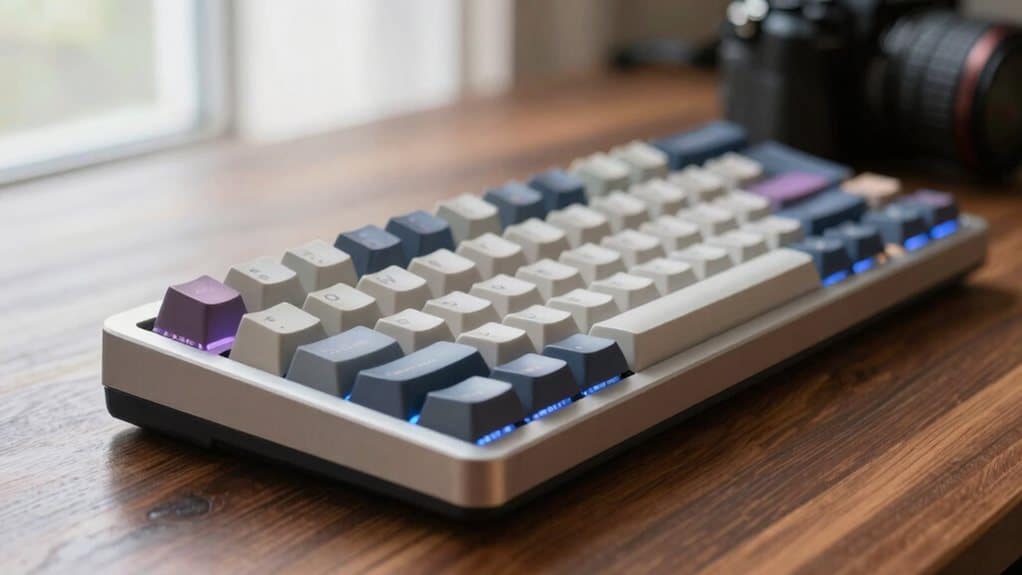
When you’re choosing the best keyboard for typing, you weigh comfort, durability, and responsiveness against your work style and budget. You’ll notice ergonomic layouts reduce strain, while mechanical switches offer tactile feedback and longevity. Spill resistance, battery life, and quiet keystrokes matter for long sessions, and multi‑device connectivity can streamline workflows. Start with a feel you can sustain daily, then compare features across models—but you may find the perfect balance isn’t obvious, and that choice matters more than you expect.
| Arteck 2.4G Wireless Keyboard with Numeric Keypad | 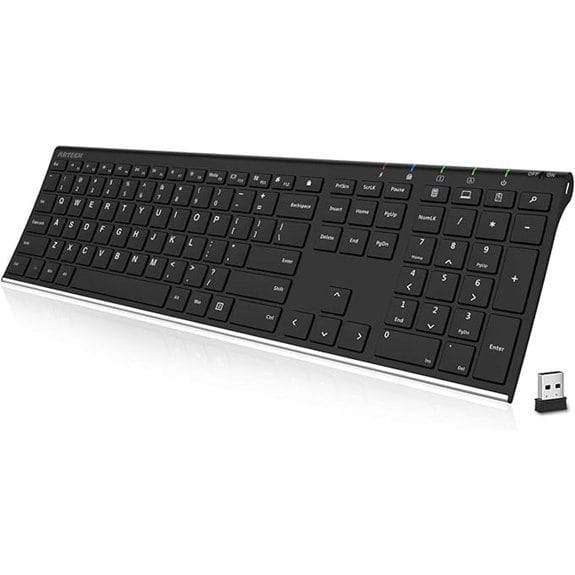 | Slim Numpad Keyboard | Setup Method: Plug-and-play | Operating System Support: Windows | Connectivity Type: Wireless (2.4G) | VIEW LATEST PRICE | Read Our Analysis |
| Logitech Wave Keys Wireless Ergonomic Keyboard Rose | 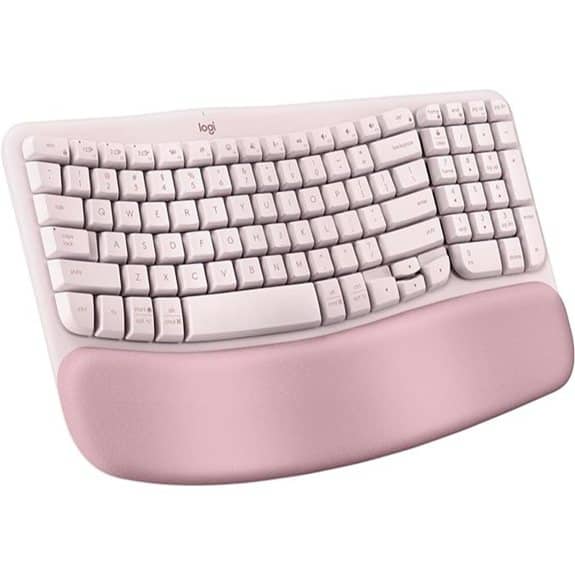 | Ergonomic Wave Keyboard | Setup Method: Bluetooth pairing / USB receiver | Operating System Support: Windows, macOS, iPadOS, ChromeOS | Connectivity Type: Wireless (Bluetooth / USB) | VIEW LATEST PRICE | Read Our Analysis |
| Logitech K270 Wireless Keyboard with 2.4 GHz Black | 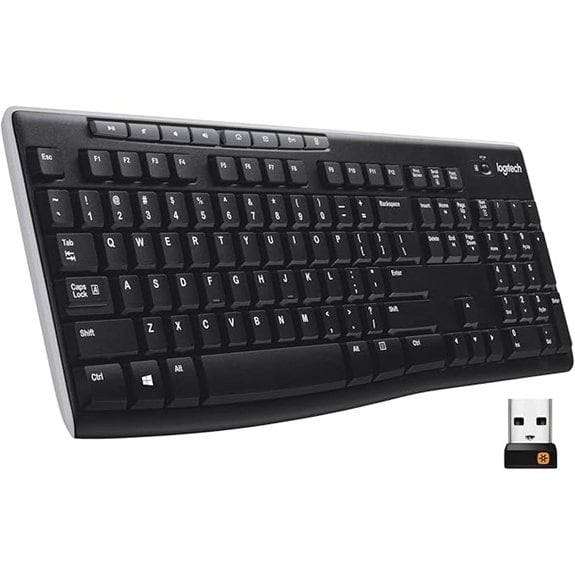 | Reliable Budget Keyboard | Setup Method: Plug-and-play via USB Unifying receiver | Operating System Support: Windows | Connectivity Type: Wireless (2.4 GHz via Unifying) | VIEW LATEST PRICE | Read Our Analysis |
| Kisnt KN85 Wireless Mechanical Keyboard 75% Beige | 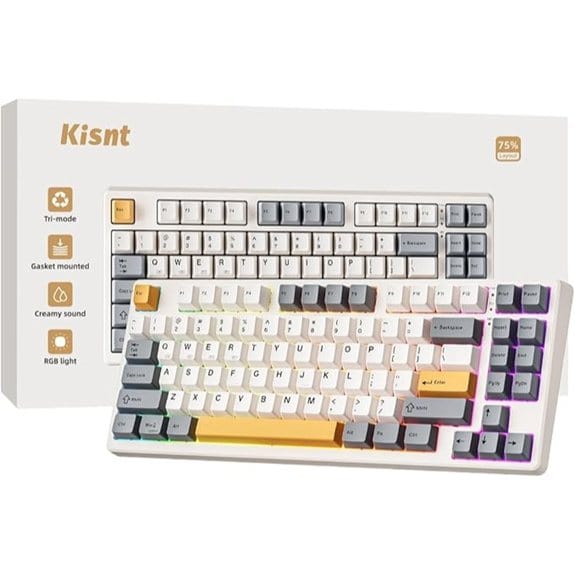 | Customizable Mechanical | Setup Method: Tri-Mode (wired USB-C / 2.4GHz / Bluetooth) | Operating System Support: Windows, Mac | Connectivity Type: Wireless + Wired (Tri-Mode) | VIEW LATEST PRICE | Read Our Analysis |
| Logitech K120 Wired Keyboard for Windows Black | 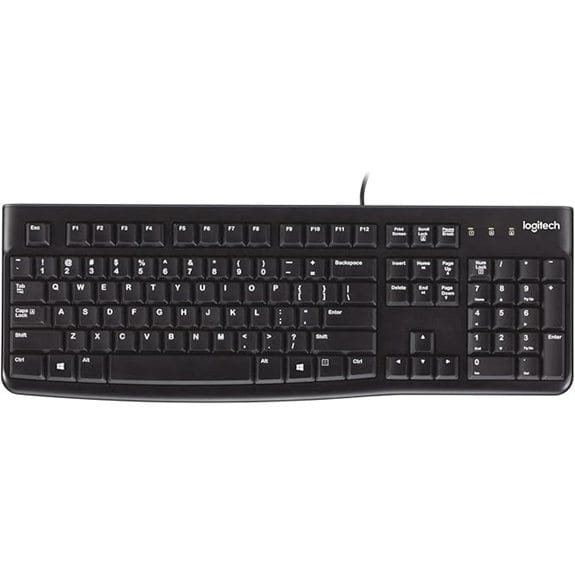 | Reliable Wired Classic | Setup Method: Plug-and-play | Operating System Support: Windows | Connectivity Type: Wired (USB) | VIEW LATEST PRICE | Read Our Analysis |
More Details on Our Top Picks
Arteck 2.4G Wireless Keyboard with Numeric Keypad
If you’re looking for a sleek, full‑size keyboard that fits a slim desk without sacrificing a numeric keypad, the Arteck 2.4G Wireless Keyboard is a strong candidate. It relies on a stainless steel, ultra‑slim design and a full‑size layout with arrow keys and shortcut buttons, so you won’t miss familiar functions. You’ll connect in seconds with the plug‑and‑play nano USB receiver and use it on Windows devices from 7 through 10. The built‑in rechargeable battery lasts up to six months on typical use, USB charging included, and the 24‑month warranty offers peace of mind. It remains practical, sturdy, and dependable.
- Setup Method:Plug-and-play
- Operating System Support:Windows
- Connectivity Type:Wireless (2.4G)
- Keypad/Num Pad:Full-size with numeric keypad
- Backlighting:No backlighting indicated
- Battery Design:Built-in rechargeable battery
- Additional Feature:Stainless steel construction
- Additional Feature:Ultra-slim profile
- Additional Feature:Nano USB receiver included
Logitech Wave Keys Wireless Ergonomic Keyboard Rose
The Logitech Wave Keys Wireless Ergonomic Keyboard Rose stands out for anyone who values a natural typing posture and extended comfort during long sessions. Its wavy, compact design aligns your hands, wrists, and forearms, while a cushioned memory-foam palm rest eases pressure. You’ll appreciate the Ergo-certified build, tested by leading ergonomists and approved by United States Ergonomics. Connect it via Bluetooth or Logi Bolt, with Easy-Switch for two devices. It works on Windows, macOS, iPadOS, and ChromeOS. Personalize shortcuts with Logi Options+ and pair it with the Lift Vertical Mouse for full setup. This supports healthier posture and efficiency.
- Setup Method:Bluetooth pairing / USB receiver
- Operating System Support:Windows, macOS, iPadOS, ChromeOS
- Connectivity Type:Wireless (Bluetooth / USB)
- Keypad/Num Pad:Likely full-size (ergonomic) with numpad
- Backlighting:No backlighting indicated
- Battery Design:Battery-free (not specified; uses Bluetooth/USB)
- Additional Feature:Memory foam palm rest
- Additional Feature:Ergo-certified design
- Additional Feature:Post-consumer recycled plastics
Logitech K270 Wireless Keyboard with 2.4 GHz Black
Designed for hectic home or office setups, the Logitech K270 shines for Windows users who want reliable, plug-and-play wireless without fuss. You get a full-size keyboard with a number pad and F-keys, plus 8 multimedia hotkeys for quick Internet, email, and volume control. The 2.4 GHz Unifying receiver stays in your computer, supporting a stable range up to 10 meters. The spill-resistant design and UV-coated keys promise durability, while two AAA batteries power your workflow for about 24 months. It’s compatible with Windows 7 through 10 and beyond, continuing as a dependable, straightforward choice for everyday typing and work.”}
- Setup Method:Plug-and-play via USB Unifying receiver
- Operating System Support:Windows
- Connectivity Type:Wireless (2.4 GHz via Unifying)
- Keypad/Num Pad:Full-size with numeric keypad
- Backlighting:No backlighting indicated
- Battery Design:Battery-free (USB-powered via receiver)
- Additional Feature:Spill-resistant design
- Additional Feature:UV-coated key characters
- Additional Feature:Unifying receiver included
Kisnt KN85 Wireless Mechanical Keyboard 75% Beige
Compact 75% layout makes the Kisnt KN85 ideal for anyone with a small desk or laptop-centric setup who still wants full access to function keys and arrow keys. You get tri-mode connectivity—wired USB-C, 2.4GHz, Bluetooth 5.0—with 3-channel pairing, so you can switch between devices without hassle. Its 85-key layout includes F1–F12 and indispensable shortcuts, while omitting a right-side numpad to save space. You’ll enjoy hot-swappable switches and a gasket-mounted, dampened chassis for quiet, thocky keystrokes, plus pre-lubed Bsun linear switches (45–50gf). Expect solid battery life and reliable Windows, Mac, and console compatibility. It blends practicality with modern versatility well.
- Setup Method:Tri-Mode (wired USB-C / 2.4GHz / Bluetooth)
- Operating System Support:Windows, Mac
- Connectivity Type:Wireless + Wired (Tri-Mode)
- Keypad/Num Pad:75% layout (numpad omitted on right)
- Backlighting:RGB backlighting
- Battery Design:Built-in 4000mAh battery
- Additional Feature:Hot-swappable switches
- Additional Feature:Gasket-mounted design
- Additional Feature:Tri-Mode connectivity
Logitech K120 Wired Keyboard for Windows Black
Choose the Logitech K120 Wired Keyboard for Windows if you want a reliable, full-sized, plug-and-play option that doesn’t require software. With a sturdy, spill-resistant design and deep-profile keys, it delivers dependable typing for Windows 7 through 10. Its full-size layout includes a 10-key pad and F-keys, making data entry feel natural. No software is needed, just plug in and start typing; it’s built to last with up to ten million keystrokes. If you value simplicity and cost efficiency, this keyboard fits. The 59-inch cable keeps your setup tidy, while durable construction and adjustable tilt legs support comfortable sessions daily.
- Setup Method:Plug-and-play
- Operating System Support:Windows
- Connectivity Type:Wired (USB)
- Keypad/Num Pad:Full-size with numeric keypad
- Backlighting:No backlighting indicated
- Battery Design:Battery-free (wired)
- Additional Feature:Curved space bar
- Additional Feature:59-inch USB cable
- Additional Feature:51% recycled plastic in parts
Factors to Consider When Choosing Keyboards for Typing
You should start by considering ergonomics and posture, because a comfortable setup reduces strain during long sessions and supports proper alignment. Then assess typing feel and travel, as the tactile feedback and key travel affect your speed and accuracy, along with layout and key spacing to keep your rhythm. Finally weigh connectivity and compatibility, plus durability and build, since you want reliable connections, broad device support, and a sturdy design that lasts.
Ergonomics And Posture
Ergonomic keyboards are designed to position your hands, wrists, and forearms in a natural, relaxed alignment that cuts down on strain during long typing sessions. A contoured or split key layout helps you maintain a neutral wrist posture, minimizing the risk of repetitive strain injuries. Built-in palm rests with cushioning support reduce pressure on your wrists and promote a relaxed typing position. Compact or wave-shaped designs allow for closer placement of the mouse, encouraging proper shoulder and arm alignment. Ergonomic certifications from recognized standards guarantee the keyboard has been tested and validated for promoting healthy posture. When shopping, check that a model fits your desk and reach, then look for clear certification labels, because validated posture support sustains comfort through workdays and busy deadlines.
Typing Feel And Travel
When you pick a keyboard, the feel of each keystroke matters almost as much as the layout, because it directly influences your accuracy and fatigue over a long day. Key travel, the distance a key moves, usually ranges from 1.5mm to 4mm, and longer travel often provides more tactile feedback while reducing typing errors. Mechanical switches, with an individual mechanism under each key, tend to deliver a more consistent and responsive feel, boosting precision for long sessions. Actuation force, often between 45gf and 60gf, matters too: lighter presses reduce finger fatigue, so you can sustain pace without strain. Tactile or clicky switches provide feedback you can feel and hear, confirming presses without bottoming out, while gasket or foam designs dampen vibrations for silkier actuation.
Layout And Key Spacing
How you lay out a keyboard and the spacing between keys can influence both accuracy and comfort across long typing sessions. Full-size keyboards give you 104 keys plus a numeric keypad, offering ample spacing that supports touch typing and reduces errors. If desk space is tight, compact layouts like 75% or tenkeyless cut the keypad and tighten spacing, yet keep crucial keys such as arrows and function rows for quick navigation. Standard key spacing is about 19.05 mm center-to-center, helping consistent finger moves across models. Wider spacing can boost accuracy for larger hands, while tighter spacing may speed up some writers but raise mistypes. Ergonomic layouts with split or staggered designs also affect spacing and long‑term comfort. Choose what fits your grip and workflow.
Connectivity And Compatibility
After you’ve settled on a layout and key spacing, the next thing to contemplate is how you’ll connect your keyboard and what devices it’ll support. Wireless keyboards commonly use 2.4 GHz radio frequency or Bluetooth, with 2.4 GHz offering low latency and consistent connection within up to 10 meters. Bluetooth keyboards can pair with multiple devices, ideal if you switch between computers and tablets across different operating systems. Some wireless keyboards require a USB nano receiver, which may occupy a USB port and should be compatible with your host device’s USB standards. Wired keyboards use USB or PS/2 connections, providing plug-and-play functionality without relying on battery power or signal stability. Compatibility depends on OS support, as some keyboards function only with versions, limiting shortcuts.
Durability And Build
Durability and build quality aren’t just tech specs—they’re a practical promise about how your keyboard will stand up to daily use. When you spill a drink, a spill-resistant design can shield internal components up to about 60 ml, giving you a chance to act without panic. Durable keycaps stay legible thanks to UV coating and anti-fade printing, even after millions of keystrokes. Look for reinforced constructions like stainless steel or gasket-mounted frames, which boost rigidity and long-term stability. Some models use certified post-consumer recycled plastics, offering durability with a smaller environmental footprint. If you need enduring performance, check the rating—up to 10 million keystrokes is a strong baseline for reliable typing years. Respect the build, and your workflow will thank you daily for years.
Power And Longevity
Power and longevity aren’t just about staying powered; they’re about avoiding interruptions to your work. Wireless keyboards can run from months to years between charges, depending on usage and efficiency. If you choose rechargeable lithium-ion batteries, you’ll benefit from hundreds of charge cycles before performance fades. Disposables can deliver well over two years of steady service in a typical office, reducing replacement hassle. Look for energy-efficient wireless protocols like Bluetooth Low Energy or 2.4G options, which quietly extend battery life without sacrificing responsiveness. A spill-resistant design with sealed circuits also protects longevity by preventing liquid damage that could compromise keys or circuits. In practice, weigh durability, maintenance needs, and real-world usage to pick a resilient keyboard. That choice supports steady typing today and tomorrow.
Customizability And Software
How much you can tailor a keyboard directly influences your typing speed and comfort, so consider how robust the customization options are before you buy. Customizable keyboards let you reprogram keys or create macros through dedicated software, giving you personalized shortcuts that boost efficiency. Some models support multiple device profiles, letting you switch layouts or functions across operating systems without hassle. Advanced features like RGB lighting control, precise key remapping, and easy firmware updates usually come through a downloadable software suite that syncs with the keyboard. Note that full software functionality often requires a wired connection or a specific mode, which can limit wireless customization on certain models. Cloud synchronization can keep your settings consistent across devices you use, for easier future shifts anywhere.
Price And Value
When you weigh price against value, the most balanced choices often sit in the mid-range, offering solid durability, decent spill resistance, and long battery life without the premium sticker. A mid-range keyboard usually strikes the best balance between cost and longevity, especially when it includes spill resistance and energy-efficient operation. Mechanical switches push prices higher, thanks to build quality, programmability, and longer lifespan, but you’ll generally see diminishing returns if you don’t use those features daily. Rechargeable batteries and efficient connectivity cut long-term costs by removing frequent battery changes. Premium materials, recycled plastics, or metal constructions raise upfront costs, yet they may improve longevity and environmental value. Strong reviews—often 4.4 stars or higher—signal solid perceived value for the price for many typing tasks today.
Final Thoughts
You want a keyboard that fits your hands, lasts through sessions, and keeps pace with your work. Prioritize comfort and durability: consider ergonomic designs for posture, or a tactile mechanical feel if you type a lot. Check connectivity and battery life for multi-device setups, and spill resistance for reliability. Pick a model that balances build quality with responsive keys, and don’t overlook extras like quiet switches and compatibility. In short, choose purposefully, and type confidently.